Backup Power Systems: Your Reliable Solution for Uninterrupted Power Supply
Automatic generators provide crucial protection from electricity outages. The generators work flawlessly, starting up immediately of an outage. Powered by different energy types, the generators ensure facilities stay running in times of crisis. However, grasping their utility and characteristics is essential for making an informed decision. Which factors must be reviewed before acquiring such a system? The following sections will explore these crucial elements.
How Standby Generators Work: Their Operation
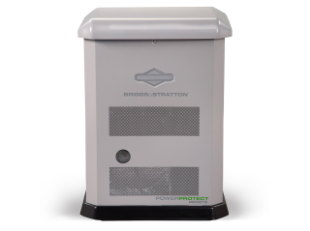
Backup generators are critical units that offer reliable emergency electricity during power losses. These units are usually placed outside a home or building, connected to the electrical system and fueled by natural gas, propane, or diesel. Should the power fail, the generator senses the power failure and activates within seconds. This mechanism requires an automatic transfer switch, that isolates the property from utility power and links it to the backup unit
(Portland Standby Generators)The system starts creating electricity, providing energy to critical systems or the entire facility, relative to its output. The majority of backup systems include an integrated surveillance feature which ensures correct operation and maintenance. They can operate for extended periods, offering a constant energy supply until utility power is restored. Knowing the operation of these systems helps homeowners appreciate their role in boosting electricity safety and reducing interruptions in the event of unforeseen blackouts
Advantages of Owning a Backup System
Trustworthiness is a key feature when putting in a backup system, since it ensures continuous electricity when the power fails. This vital function guarantees that facilities stay running, safeguarding important possessions and maintaining comfort. In addition, backup systems boost security by mitigating grid failures that might cause dangerous conditions, such as frozen pipes or medical equipment failures.
Value for money is a further advantage; while the initial investment may be significant, the savings over time from avoided food spoilage, operational downtime, and unexpected fixes can be remarkable. In addition, standby generators boost the home's worth, making them an attractive feature for potential buyers.
The ease of use is also important, as these generators start up on their own during an outage, doing away with the requirement for manual intervention. This uninterrupted functionality allows users to continue their everyday activities without interruption. Overall, setting up a standby system provides security, ensuring that power is always available when critical.
Essential Characteristics to Seek in a Generator Unit
In the process of picking a standby generator, multiple important characteristics need to be taken into account to achieve the best results and appropriateness for individual requirements. To begin with, the power output is vital; prospective owners must calculate the necessary power to run critical equipment during an outage. Additionally, the type of fuel—whether natural gas, propane, or diesel—impacts performance and running expenses.
An additional key element is the automatic transfer mechanism, which allows for effortless switching and enhances safety. Durability and build quality also matter; a well-built system can withstand harsh weather conditions.
Furthermore, noise levels should be assessed, as low-noise units are better for home environments. Some generators offer automatic start capabilities, offering ease of use during unexpected outages. Lastly, guarantee and maintenance plans need to be checked, offering trustworthy maintenance and maintenance. By evaluating these features, future owners can choose a backup system that aligns with their individual power demands efficiently.
Factors to Consider Before Purchase
Before deciding on a standby generator, prospective owners should thoroughly review multiple critical elements to guarantee they make an informed decision. Portland Standby Generators. To start, they must evaluate their energy requirements by estimating the needed power to run important appliances during an outage. Following this, the power source is important; choices are natural gas, propane, or diesel, each with unique advantages and supply concerns
Moreover, buyers should consider the generator's power switch mechanism, which ensures easy power switching. Installation necessities are also important, since certain models may necessitate a certified installation or acquiring a permit
Service agreements and warranties must be carefully reviewed, because they influence your satisfaction over time. To conclude, those considering a purchase must check how loud the generator is, above all if they are located in populated neighborhoods. By examining these factors, buyers are able to choose a standby generator that best meets their particular requirements and desires
How to Maintain Your Standby Generator
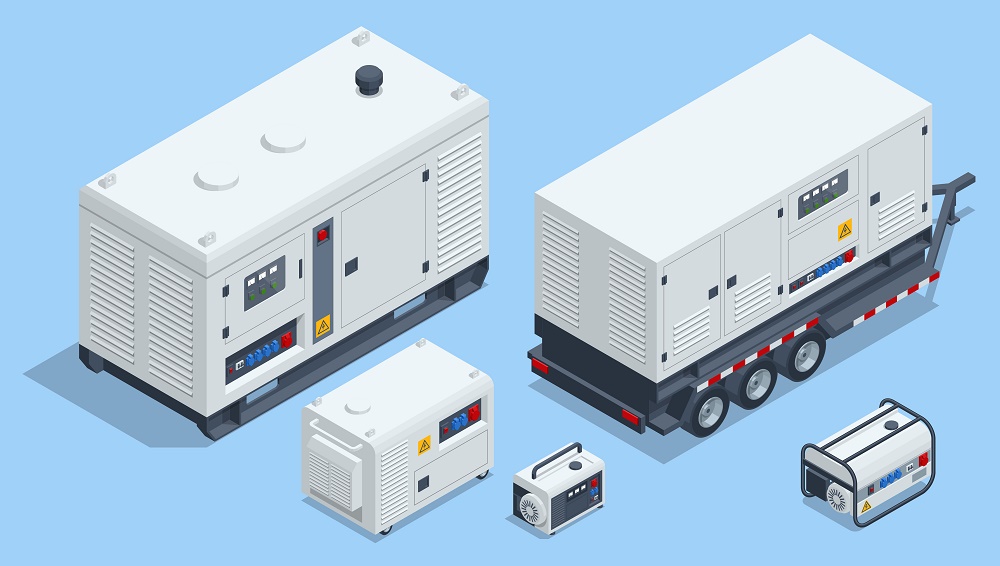
Consistent upkeep is vital to ensure optimal functioning and extending the life of the unit. Owners should begin by inspecting the oil level in the unit, and replace the oil and filter according to the manufacturer's recommendations. Make sure to check the air filter and change it when needed to ensure proper air circulation. It's also important to test the battery cleaning corrosion from the terminals to maintain reliable starting power.
Conduct periodic load tests to confirm the generator can handle its maximum load. Furthermore, ensure that no obstructions or leaks exist in the exhaust system. Maintaining a clean, debris-free generator will help prevent overheating and other issues.
As a final step, schedule professional maintenance at least once a year to address any potential problems and conduct thorough checks. By using these maintenance practices can maximize the longevity of a standby generator, giving you confidence during electrical failures.
Frequently Asked Questions
How Much Do Standby Generators Typically Cost?
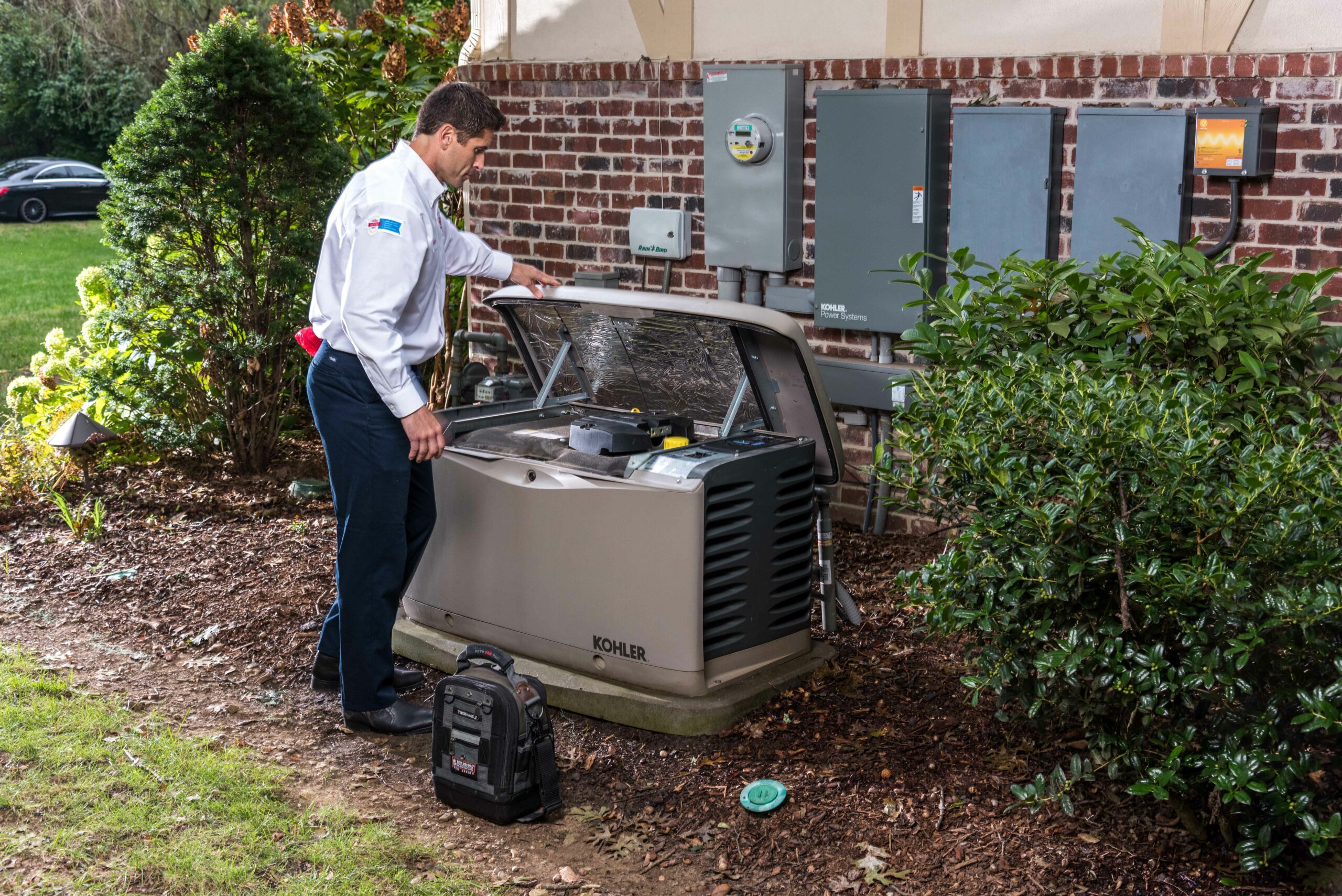
Backup generators usually range from $2,000 to $15,000, based on elements like the brand, power output, and complexity of installation. Extra costs often involve permits, fuel tanks, and maintenance, affecting the total investment needed.
Am I Able to Install a Standby Generator on My Own?
Self-installation of a backup generator is feasible, but you must have knowledge of electrical systems and local codes. Experts suggest getting a contractor to ensure security, compliance, and ideal performance of the generator installation.
Which Types of Fuel Power Standby Generators Use?
Standby generators typically use fuels such as diesel, natural gas, propane, or gasoline. Portland Standby Generators. The choice of fuel is frequently influenced by the cost, availability, and particular power requirements, which impacts the functioning and efficacy of the generator
Are Permits Necessary for Installation?
Absolutely, installation permits are usually mandated for the installation of standby generators. Rules differ depending on the area, so it is essential for homeowners or contractors to speak to the municipal government to guarantee compliance with all relevant codes and requirements.
How Long Can a Standby Generator Run Continuously?
A standby generator can run continuously for different lengths of time, most commonly lasting 24 to 48 hours, based on the load demands and fuel availability. Routine upkeep ensures peak performance and longevity view this during extended operation periods.